Singing Handbells

Your #1 location for the purchase of Singing Handbell dowels

Brought to you by THIRD BELL ON THE RIGHT - www.ThirdBellontheRight.com, now a Handbell Musicians of America HIC member. Check our Photo Gallery for some of the items we will be offering at our booth.

What is a singing Handbell (also called the Singing Bell Technique)?

A beautiful sound resulting from a technique that requires the musician to rub a wooden dowel around the rim of the handbell. Singing handbells resemble the technique used to produce sounds from a crystal glass by rubbing a dampened finger around its rim.  The wooden dowels do not need to be dampened. The technique works on all (C4-C8) handbells but does require some practice.

Larger bells may require a "tap" to start the sound (but try doing it without tapping first). C3 to B3 are an example. C4 and up can be started without the tap. If the dowels seem a little rough, don't worry! This helps. In fact, if you find a dowel that is not cooperating, use a piece of 50 or 80 grit sandpaper and rough it up a bit.

Where are they used? There are several compositions written that incorporate the singing Handbell technique. My favorite is How Can I Keep from Singing by Robert Lowry and arranged by Arnold Sherman. Click here for the link to Handbell World and this song.

Why our dowels?

January 4, 2012: Well, as luck would have it, our supplier had a major fire in their workshop and lost all their current inventory. No injuries to owners or firefighters, just no more dowels available from their stock for awhile. So I have found a temporary supplier.

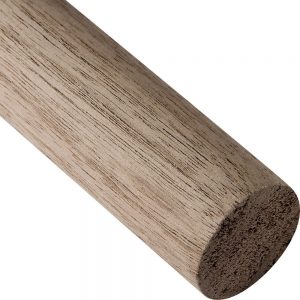
Our dowels are from recycled oak.  We do not purchase our stock from area home improvement companies. We use wood that was destined for the landfill. We select the best wood for our dowels. They not only perform well but look great! The wood is stripped down bare and processed from there.

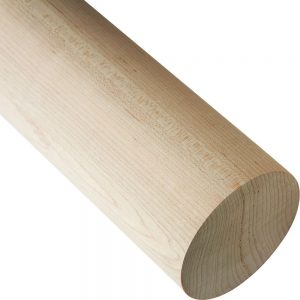
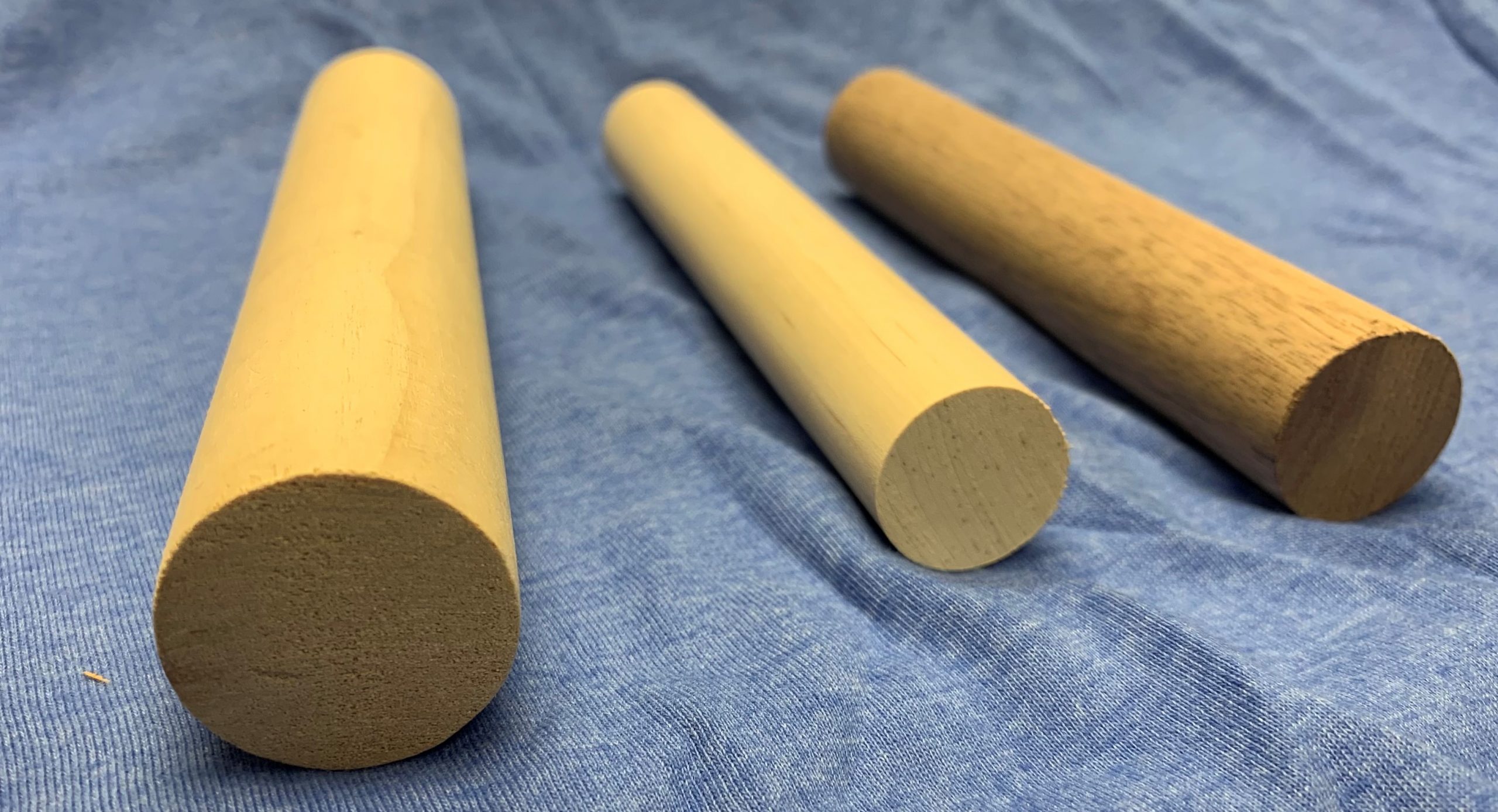
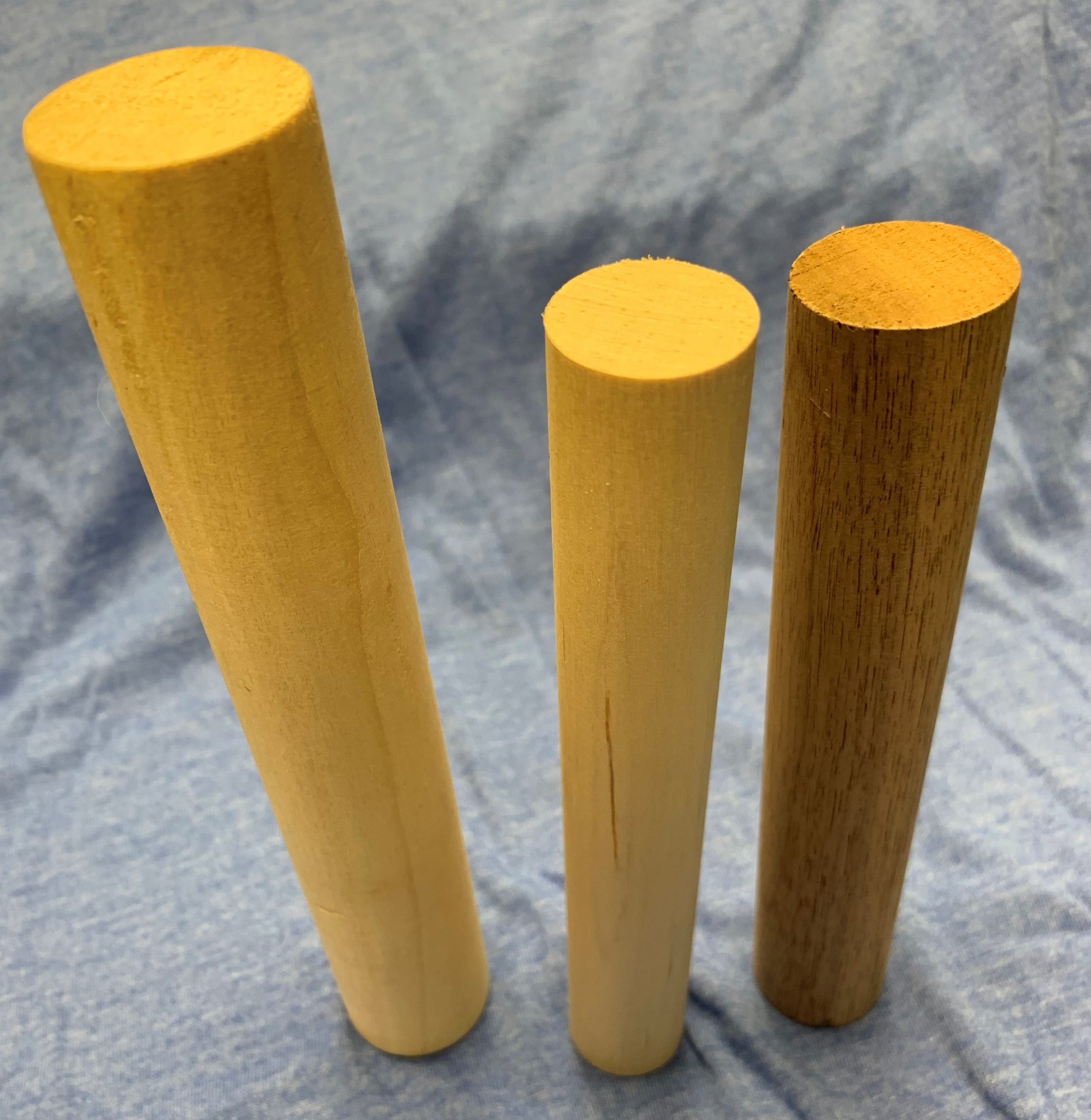
We have tried the softer woods but they just do not work as well (they DO work, just takes some time). Oak and red oak work on all bells. And since the bells tend to leave markings on the dowels, you know that the bells are not being damaged (ah, yes, high school Science 101).  

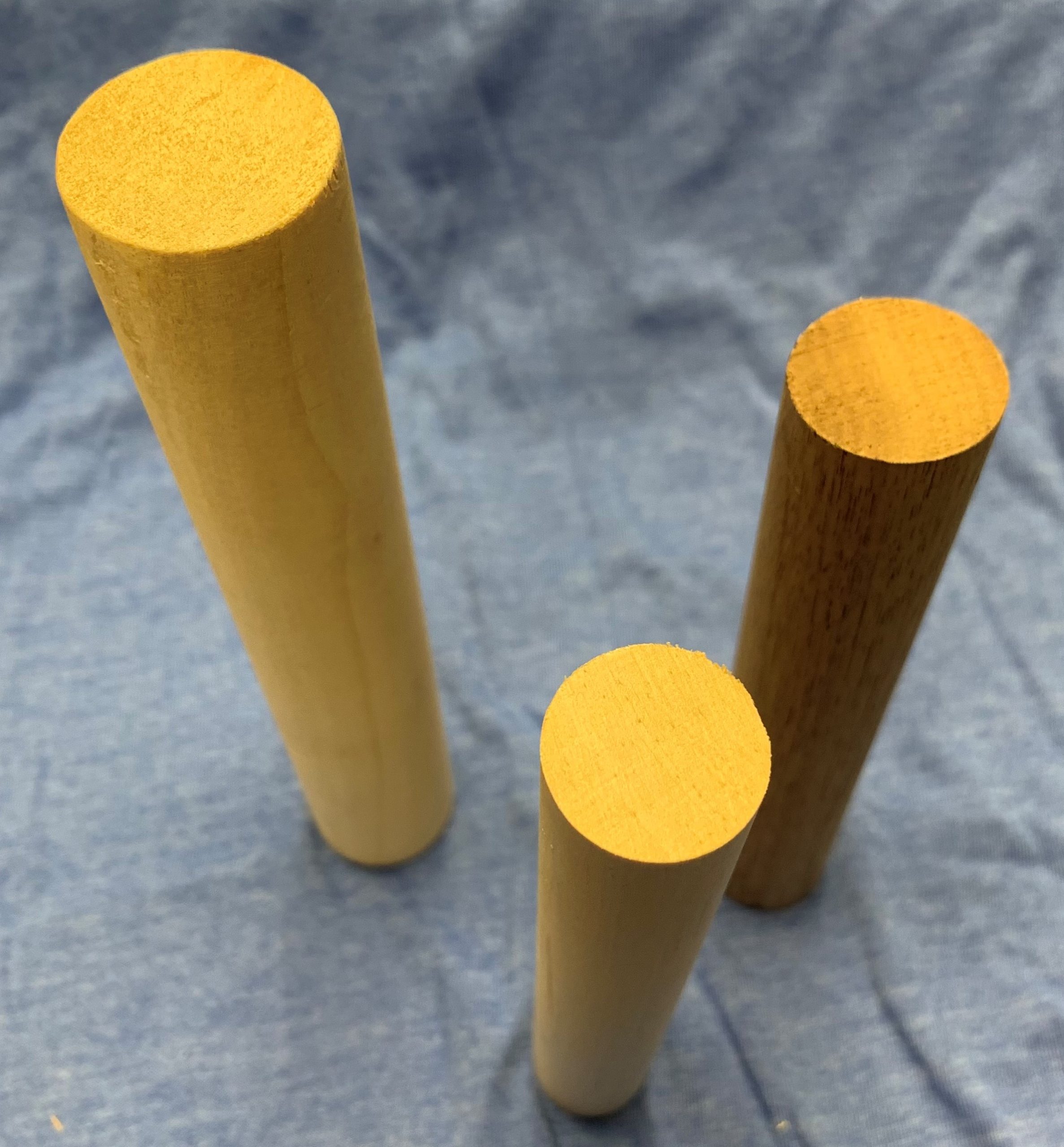
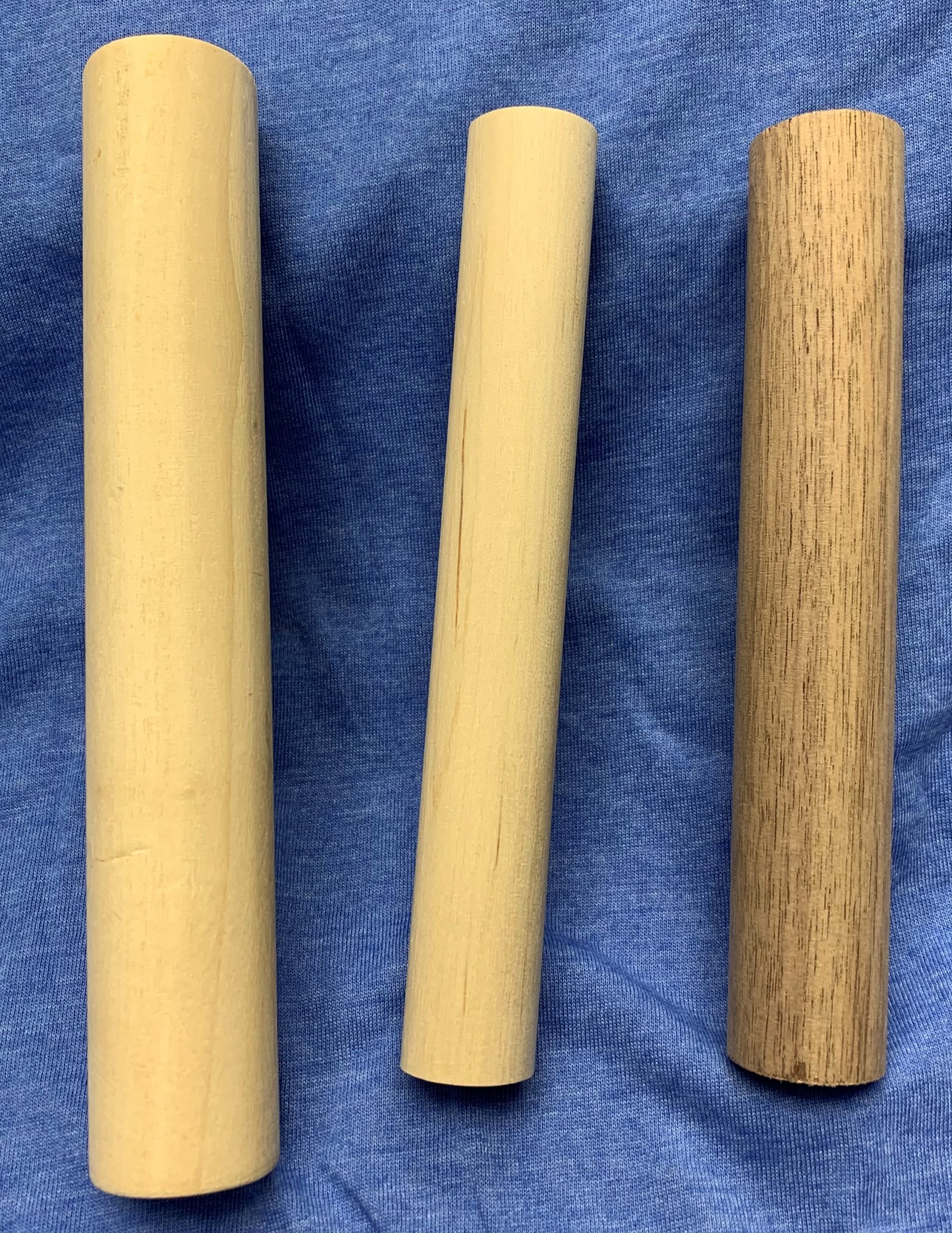
Dowels are 6" in length. We have found that this size will work on any of the bells. The diameter of the dowels are 1".

We have switched our stock to all oak. You will find that they are not sanded smooth. This allows the dowel to start the vibration of the bell sooner. These dowels will usually start a G4 bell (one of the hardest to get going) quickly (3-5 rotations). 

How much to ship?

Nothing! We do not charge freight. Why? Because we have found that customers much prefer a flat cost per item. We will ship according to quantity ordered (first class, Priority, UPS). And if you email me, I will discount large quantity purchases!

Are you in Canada? No problem! I have reduced my shipping costs by $4.75 to compensate you for the free shipping I offer in the USA.

I have UPS shipping available. If you are needing these quick (overnight, 2 day or 3 day shipping), email me for a shipping quote. Since I ship UPS daily, your shipping costs will be exactly what I pay. No handling and/or packaging costs!

Please go to our Payment and Contact page for costs and link for Paypal payment. 

The following charts also use the technique:

A Large Day

Composer:
Wissinger, Kathleen
Arranger:
N/A
Octaves:
3-5
Level:
5+
Rating:
Advanced
Season: Lent , All Year
Classification: Instrument Part , Church or Concert , Original Composition
Technique: Mallet , Sk (Shake) , LV (Let Vibrate) , Martellato , SB (Singing Bell or Bowl)
Voicing: Handbells, No Choral
Instrument: Chimes(Choirchimes or Handchimes) , Percussion

     
Amazing Grace Traditional Eithun, Sandra 3-5
Sandra Eithun's ethereal Level 2 setting of "Amazing Grace" artfully employs the Singing Bell technique.   Published by: RR
Give Me Jesus Traditional Spiritual Behnke, John 4-6
Commissioned by the Philadelphia Handbell Ensemble in memory of a founding member, this piece uses the “singing bell” technique to convey the text of the spiritual "Give Me Jesus."   Published by: AG
God of Wonders Byrd, Marc & Hindalong, Steve Cota, Patricia 3-5
Utilizing windchimes, random ringing, and the technique of “singing bells,” arranger Patricia Cota aptly portrays an ethereal opening to this extremely popular praise song, reflecting the majesty and glory of God. The optional windchimes and handchimes add to the array of creative sounds.   Published by: HP
Holy Spirit Breath of God Various Lamb, Linda R. 3-5
The Singing Bell technique creates an ethereal atmosphere as the work opens and journeys on its way through tunes associated with the hymns "Breathe on Me, Breath of God" and "Open My Eyes, That I May See."   Published by: LC
How Can I Keep From Singing Lowry, Robert Sherman, Arnold B. 3-6
Truly a unique work, this piece features Robert Lowry's rhythmic hymn tune supported in part by a "singing bell" technique, which uses round sticks rubbed around the outer rim of the bell, for a truly ethereal sound. Full instructions for this technique plus a biography on Robert Lowry and the full lyrics for the hymn are included.   Published by: RR
Let All Mortal Flesh Keep Silence Traditional Turner, Julie 3-5
This ethereal setting of the Advent hymn PICARDY begins and ends with the popular Singing Bell Technique.   Published by: JH
O Come O Come Emmanuel Traditional Treisback, Judith E. 4
A distinctive treatment of this age old melody includes the Singing Bell technique and malleted suspended handbells, along with the optional use of alternate bells and the somber resonance of an oboe to create the ambiance of mystery and wonder.